Dr. Romen Ngasepam
Asst. Prof., Kumbi College, Kumbi
Let me start my article with a quotation “Fish-The Queen of the Sea”. A fish is any member of a group of animals that consist of all gill-bearing aquatic craniate animals that lack limbs with digits. They form a sister group to the tunicates, together forming the olfactores which includes the living hagfish, lampreys, and cartilaginous and bony fish as well as various extinct related groups. Fishes are very diverse animals and can be categorised in many ways. This article is an overview of some of the ways in which fish are categorized and basically the great value of fish to us. Although most fish species have probably been discovered and described, about 250 new ones are still discovered every year. According to Fish Base, 33100 species of fish had been discovered by April 2015.
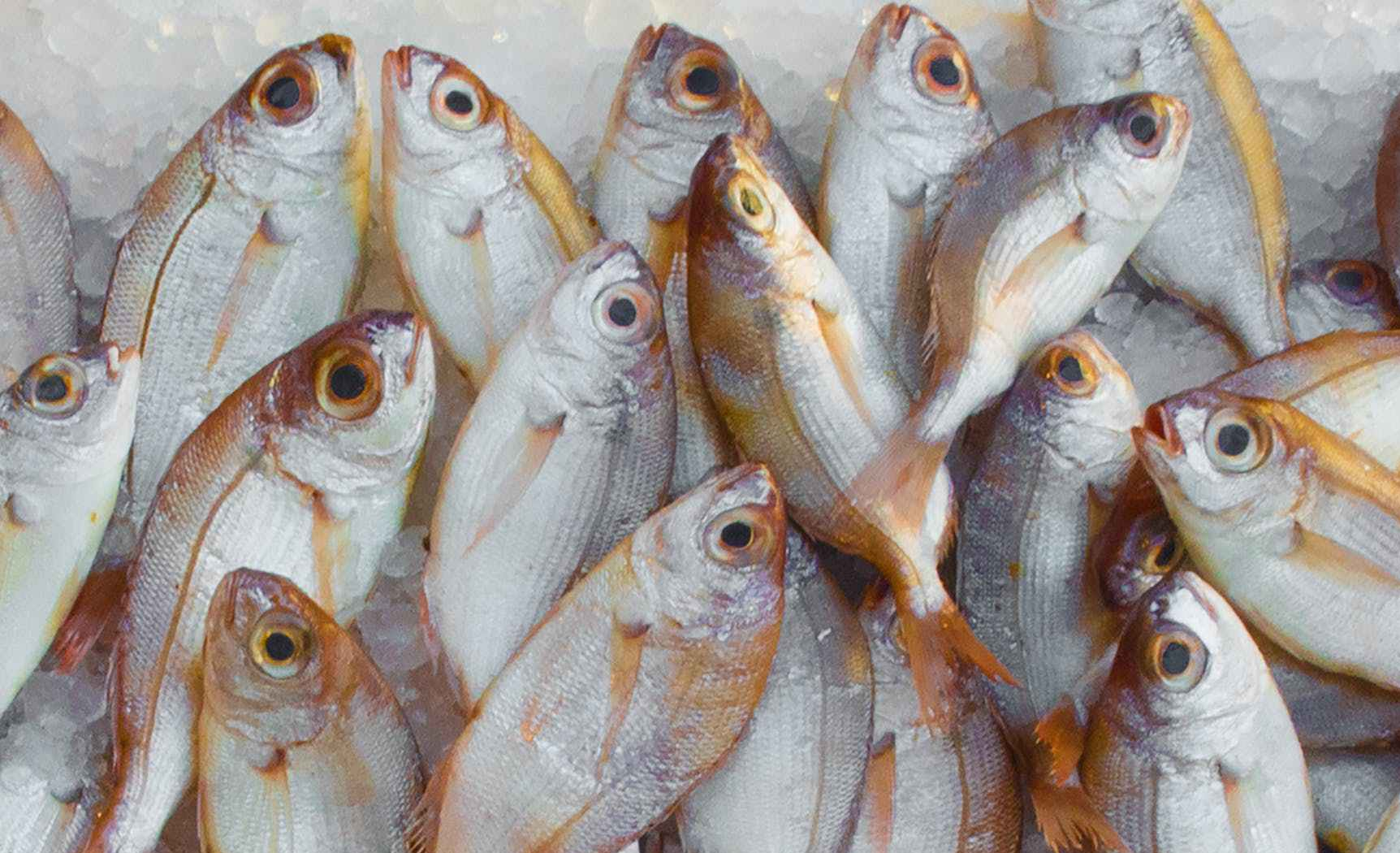
The diversity of fish species is roughly divided equally between marine (oceanic) and freshwater ecosystems. Coral reefs in the Indo-Pacific constitute the centre of diversity for marine fishes, whereas continental freshwater fishes are most diverse in large river basins of tropical rainforests, especially the Amazon, Congo, and Mekong basins. More than 5,600 fish species inhabit Neotropical freshwaters alone, such that Neotropical fishes represent about 10% of all vertebrate species on the Earth. Fishes occur wherever water of reasonable integrity exists, from deep sea depths exceeding 8,000 m to mountain lakes above 5,000 m altitude (S. Tiassny and M. L. J, Biodiversity and Science Policy, 53-71pp, 1999). India is one of the Mega biodiversity countries in the World and occupies 9th position in terms of freshwater mega biodiversity (R. A. Mittermeier and C.G. Mittermeier, Megadiversity, 1997). North-Eastern region of India has been identified as one of the 34th ‘Hotspot’ of Biodiversity by the World Conservation Monitoring Centre, 1998. A total of 267 fish species reported from the North Eastern Region of India and a considerable 27% of the approximately 806 species inhabiting freshwaters of India (Fish Diversity of North-East India, 31-48pp, 2000).
The Tolang, Moirang Kom and Pumlen Lake are situated nearby to Kakching Khunou Thongam. Out of this, Pumlen Lake plays a crucial role in our state economy by producing indigenous fish as well as Indian Major Carps (IMC). There are 44 different species of fish under 31 genera, 5 order and 16 families are reported from the Pumlen Lake (Indian J. of Applied Research, Vol. 3, No. 10, 46-48pp, 2013).
In fact, fish is a worldwide distributed food commodity. It is regarded as a potentially a cheap source of protein, especially greater significance to developing countries like India, where problems of nutritional deficiencies persist. As a rich source of nutrient, fishes provide a good balance of protein, vitamins and minerals and relatively low caloric content. The fat content in fish varies, but most fish species eaten by us have comparatively low-fat content and a high percentage of protein. Fish, especially liver oils is rich in vitamins A and D. No wonder that as little as 120g of fish will serve about half our daily need for protein. Fishes, besides having high protein content gives a shiny appearance to our face and body which is a sign of good health.
Fish contents vitamin B6 and B12, that helps to produce red blood cells, antibodies and maintain the central nervous system. Clams, Herring, Crabs, Mackerel, Mussel and Oysters content high quantities of B12 and B6 vitamins. Besides vitamins, fishes also contain minerals like iodine and calcium that are vital to our health. Fish can, therefore, form part of our balanced diet to provide any nutrients needed by the human body. Conventional fin fishes and seafood potentially provide from 420-840KJ/100g, against the average daily requirement of energy of an adult doing normal work. Fishes are a source of good quality protein that we can easily and completely digest. In addition, fishes are excellent sources of polyunsaturated fatty acids that appear to have beneficial effects in reducing the risk of cardiovascular diseases and are linked with curing certain types of cancer. Fishes are known to provide several nutritional and therapeutic benefits for health problems like coronary heart disease, hypertension, obesity, and osteoporosis and iron deficiency. Furthermore, fin fishes and seafood are rich in anti-oxidants like selenium and coenzymes Q-10 that help to fight disease and promote health and longevity. Research studies in USA, Japan and Netherland shows that frequent consumption of fishes even in quantities as low as 30g/day have beneficial effects in reducing triglycerides contents known to cause heart diseases. Triglycerides are a kind of fat that is always circulating in the blood, especially after consumption of high saturated fat. Usually, enzymes break down triglyceride particles. When that process is not working properly or efficiently, the triglycerides that are not initially broken down can cause fatty deposit in blood vessels leading to atherosclerosis disease known to cause hardening of the arteries. Triglycerides have also been shown to increase the risk of blood clots, which combined with fatty deposit in the coronary vessels cause heart attacks. It is encouraging that omega-3 fatty acids in fishes protect the arteries by thinning the blood. It keeps unwanted blood clots formation by decreasing the production of fibrogen, a protein that content in our blood that is responsible for blood clotting. Triglycerides even in above 100mg per deciliter are known to increase the risk of heart disease. People with triglycerides level above 100mg/dl have twice the risk of serious heart problems as those with lower levels. Also, individuals with increase triglycerides are at a risk of developing Type 2 diabetes (Diabetes mellitus) because of the key role of insulin resistance. Types 2 diabetes can be prevented by correcting eating habit, exercising regularly and eating fish at least twice a week. Omega 3 fatty acid in fish helps lower the level of triglycerides and increase high-density lipoprotein (HDL) which is good cholesterol, thus reducing the risk of heart disease.
Carbohydrates Content:
It is true that compared to cereals, the amount of carbohydrates in fishes is quite low. Fin fishes usually contain less than 1% carbohydrates whereas shellfishes such as Clam and shrimp contain 2-3%.
Fat Content:
The fat content of fish varies from widely from species to species, within individuals in species, with season, physiological status and spawning, location in the muscles body, between wild and cultivated species, diet of the fishes and above all geographical locations of fish occurrence. Fat deposit in fish normally occurs along the lateral line and around the belly. Each gram of fish muscles provide only 0.05-0.2g (5-20%) of fat compared to 0.25-0.5g (25-50%) of fat per gram in mammalian muscles meat. Most fishes are considered excellent in calorie restriction and reduction of plasma lipids in human food because of their low-fat content.
Protein Content:
The most important constituent of fish muscle protein varies from 17-25%. Fish protein is easily digestible because of very low stroma protein and has an excellent spectrum of essential amino acids. Fish protein has very high biological value. Fish is an excellent source of lysine that is limited in vegetable foods. The oils and water content in fish is roughly 80% of the body weight. Thus if the oil content is 10%, the water content is about 70%. Some fishes such as Shark and Cod are found to accumulate high level of liver oils. Fish oil possess certain unique properties not shared by any another food. There are about seven Omega-3 fatty acids in fish oils of which two are predominant. These are eicosa-pentanoic acid (EPA) and Docosa-pentanoic acid (DHA). The Omega-3 fatty acids from fishes arise from the Phyto-plankton from the food chain.
Sodium Content:
High blood pressure and hypertension is strongly linked to sodium or salt content in food intake. Fresh seafoods are one of the best choices for curbing sodium intake, since all fishes are low in sodium. Sodium content in most fresh fishes varies from the range of 60-100mg/100g of raw muscles. Most shellfishes on the other hand have more sodium, usually in the range of 200-400mg/100g. Eating fishes help in lowering the blood pressure, improve psoriasis, regulate heartbeats and improve health in general.
Potassium and Calcium:
Potassium has blood pressure lowering effects. In fact, low level of potassium in the body lead to increase sodium retention, calcium loss and raises blood pressure. Potassium helps normalize blood pressure by relaxing the blood vessels and helping the body get rid of excess water and salt. Normally fresh fishes are good sources of potassium containing 250-320g/100g. The safe daily intake of potassium is between 1.8 and 5.6g.
Magnesium and Copper:
High blood pressure also could be due to deficiency of magnesium. Most people need about 300 to 400mg of Magnesium daily to keep their blood pressure under control. Copper help to manufacture red blood cells and collagen and is found plenty in fish live and Oysters. The fishes content many important nutrients s that is vital for our day to day life. It is one of the richest sources of cheap protein that even poor men can effort. It is very important to know the properties or nutritive value of food that we consumed.
Significance of Nga-Thaba:
Role of fish in socio-cultural life of human being and its impact to the society is quite diverse here I am going to add a flavour which is very associated with us but other sense we are conserving them as well as we show them our affection towards fish since time immemorial. There is an important section especially in Meitei Community marriage ceremony Nga-Thaba (fish used in this auspicious ritual are Channa orientalis or Meitei Ngammu, Channa punctata or Ngammu Bogra) is consider as important part of marriage for the welfare of two new upcoming Bride and Bride-groom to the world of human civilization. In this ritual 3 or 5 (minimum 3 fish and Chang Tangba oigadaba) numbers of Channa species were going to release which was bought by Bride-groom family. For this two women from Bride’s side and one woman from Bride-groom each one fish species representing male, female and third one for their next generation. From this act we can assume we were indirectly conserving one type fish species which eventually fulfilled our ritual duty also. Its routine tradition is going on and on. We were unknowingly conserving our important treasures which are in and around us. So we should conserve our beautiful tradition so that we can fell the happiness of living together. Respect them automatically they will care you aloud.
Threat to fish:
Fish assemblage has been used as indicator of the environmental degradation, ecosystem health in streams and environmental stress. Fish constitutes a major component of diet for the people of North-East and other part of the world. Parasites belong to diverse animal group viz., protozoan, virus, bacteria and helminthes (monogenetic and digenetic trematodes, cestodes, nematodes and acanthocephalans), annelids (hirudinaria) and arthropods (parasitic crustaceans) etc. are the threats to the fish community. Fish disease due to helminth parasites is one of the main problems in fish culture and fish farming. The importance of fish parasite is directly related to those fishes as the parasites of controlled amount are essential for their healthy condition that will present all the essential valued nutrients.
Conclusion:
As a matter of fact, fishes are one of great value to human beings. They are the staple item in the diet of many peoples. They form am important economy of many nations and give incalculable recreational and psychological value to the naturalist, sports enthusiast and home aquarist. They also used as indicator of pollution. They play important role directly and indirectly in the protection of the heritage and life of human beings. It has been associated with the life of the people for North East people from time immemorial. Fishes have been becoming very important not only for their immense food value, but also for the role in the economy of the state, sports, recreational, medicinal and ornamental value.
