Dr. Thingnam Nandalal Singh
Associate Professor, Panjab University, Chandigarh
(Founder Member, KKEF)
Physical activity is a requirement for good health so if you are physically active, you are going to be healthy and if you are healthy; you are going to learn better”
“There is no medicinal treatment in current or prospective use that holds as much promise for sustained health as a regular programme of physical activity”.
-David Thomas
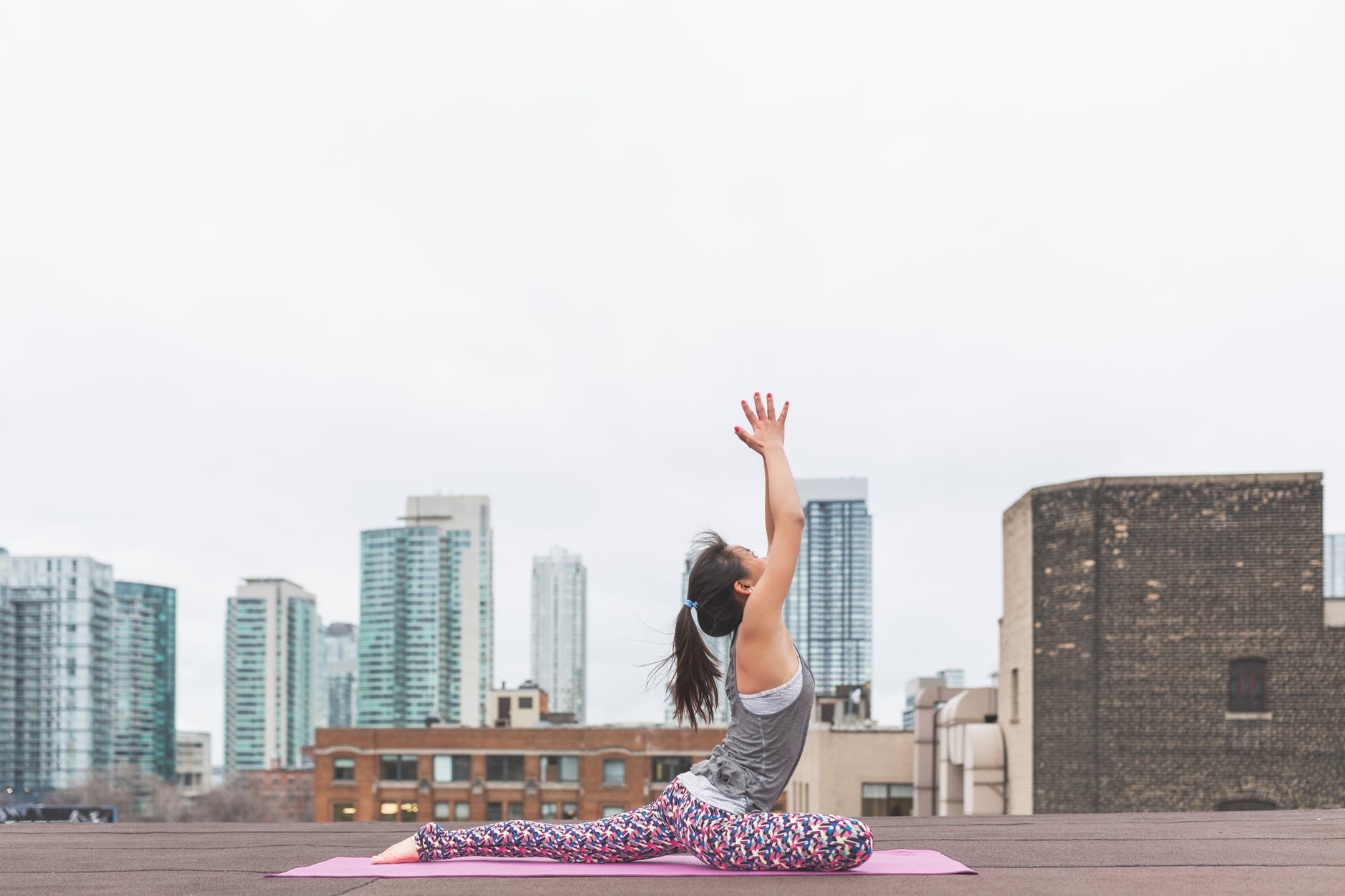
People all over the world are becoming more and more health conscious, the priority has been shifting from everything else to the fact that the most important thing in life, is to keep oneself in shape and fit, to enjoy things in life. Keeping fit means capturing the days of youth and all the fun of those days alive. Man can give up everything for the sake of keeping himself young. In spite of all the kinds of treatments that have been flourishing the market, the people have not been driven crazy, they still trust the basic natural way of keeping in shape, i.e., by exercising regularly and maintaining a working routine. It is very necessary to go for a complete fitness training, which takes care of all the aspects of making a fit body, beginning from making a note about the right kind of diet and right kind of exercises which suits the physical conditions of the body.
Physical activity is defined as any bodily movement produced by skeletal muscles that require energy expenditure. Physical activity does not require particular equipment or spending a lot of money. Regular physical activity – such as walking, cycling, or dancing, shopping, sweeping floors, dusting your furniture, cutting the lawn and other daily routines works – has significant benefits for health. For instance, it can reduce the risk of cardiovascular disease, diabetes and osteoporosis, help control weight, and promote psychological well-being. Everyone should engage in at least 30 minutes of moderate physical activity every day. More activity may be required for weight control (WHO).
Exercise is a planned, structured, repetitive and purposeful physical activity that helps to improve or maintain physical fitness. It might include running, swimming, aerobic exercises, weight training and other sports activities. These activities generally require considerably more effort and energy than walking or other daily routine activities. Regular exercise boosts the immune system and helps prevent heart disease, cardiovascular disease, diabetes and obesity. Regular physical exercise is important for maintaining physical fitness and can contribute positively for maintaining a healthy weight, building and maintaining healthy bone density, muscle strength and joint mobility, promoting physiological well-being, reducing surgical risks and strengthening the immune system.
Facts (WHO)
- Appropriate regular physical activity is a major component in preventing the growing global burden of chronic disease.
- Physical inactivity, (a lack of physical activity) is an independent risk factor for chronic diseases and overall is estimated to cause 1.9 million deaths globally.
- At least 60% of the global population fails to achieve the minimum recommendation of 30 minutes moderate intensity physical activity daily.
- The risk of getting a cardiovascular disease increases by 1.5 times in people who do not follow minimum physical activity recommendations.
The first wealth is health. Ralph Waldo Emerson
Health is the general condition of a person in all aspects. The most remarkable and commonly recognized definition of health comes from the constitution of the World Health Organisation (WHO), that health “is a state of complete physical, mental, and social well-being and not merely the absence of disease or infirmity” (WHO, 1948).
Dimensions of Health
- Physical health – overall condition of the organ system of the body.
- Intellectual health – use of one’s mental capacities.
- Emotional health – express feelings appropriately.
- Social health – the ability to interact effectively with other people.
- Spiritual health – the soul or spirit.
- Career or occupational health -one’s chosen vocation in life.
- Environmental health – everything around us, and includes the impact of natural and human-made environments on one’s health.
Good health is one of the most high-quality possessions; one that is often taken for granted until it is lost. Almost everyone wants to enjoy good health now and in the future so that they can live to enjoy what they have. Since physical activity is one of the most effective ways you can safeguard yourself from developing a number of major chronic degenerative diseases. It is really a major investment in minimizing the risks of developing unbearable conditions.
“Physical fitness is not only one of the most important keys to a healthy body; it is the basis of dynamic and creative intellectual activity.” John Fitzgerald Kennedy
Physical fitness can be described as “the body’s ability to function efficiently and effectively in work and leisure activities, to be healthy, to resist hypokinetic diseases, and to meet emergency situations.”
There are two different kinds of Physical fitness
- General Fitness (Health Related Fitness)
- Specific Fitness (Motor Skill-Related Physical Fitness)
General fitness is also known as Health Related Fitness (Cardiovascular fitness, flexibility, muscular endurance, muscle strength, body composition) because it relates to the type of fitness required to cope with everyday living. For example, some strength will be needed to work in the garden or clean the house.
Specific fitness (Speed, power, agility, motor coordination, balance and reaction time) is required to take part in sport at a high level. For example, a cyclist and runner will need exceptional levels of stamina.
Physical activity makes the body release chemicals called Endorphins which make you cheerful and fight depression. Lack of physical activity can leave you feeling low and depressed, because of lower level of endorphins. Regular exercise therefore, keeps you in a good mood and enhances the calcium of bones to make them stronger. It also decreases the incidence of osteoporosis of bones thereby reducing the chance of fractures in old age. Enzymes burn fat and are sensitive to hormones and become active after walking for about an hour; these enzymes remain active for 12 hours. Thus the deposited cholesterol is broken down. That is why physical activity is helpful to burn fat and reduces blood cholesterol.
Specific benefits of physical activity
| Burns calories | Controls cholesterol levels |
| Controls body weight | Improves digestion |
| Reduces the risk of heart diseases | Strengthens the cardiovascular system |
| Enhances lung capacity | Strengthens the immune system |
| Reduces blood pressure | Increases energy levels |
| Prevents diabetes and some cancers | Reduces stress, anxiety and depression |
| Increases energy levels | Promotes a feeling of well-being |
| Improves muscular strength | Increases blood flow |
| Improves muscular endurance | Burns body fat for a healthier heart |
| Improves flexibility | Improves metabolism |
Physical activity must be considered a lifetime hobby. The benefits of a sound exercise programme are rapidly lost once that programme is discontinued. The total physical exercise programme consists of the following activities.
| Warm-up | Flexibility training |
| Endurance training | Resistance training |
| Cool-down | Recreational activities |
Exercise Prescription
The exercise prescription involves four basic factors:
| Type or mode of exercise | Duration of exercise |
| Frequency of exercise | Intensity of exercise |
Mode or Types of Physical Activity
| Walking | Hiking |
| Jogging | Bicycling |
| Running | Other sports activities |
| Swimming |
Frequency of Exercise (3 to 5 days per week)
Research studies conducted on exercise frequency show that 3 to 5 days week is an optimal frequency.
Duration of Exercise (20 to 30 minutes)
Exercise duration of 20 to 30 min working at the appropriate intensity is optimal, but the key is reaching the threshold for both duration and intensity.
Intensity of Exercise
The intensity of the exercise bout appears to be the most important factor. For most people, intensity should be at least 60% of Vo2 max. However, health benefits occur at intensities lower than those needed for aerobic conditioning (Wilmore, 1994).
For exercise prescription, the target heart rate is the recommended training heart rate. It is based upon the results of the exercise tolerance test (functional capacity). The maximum heart rate (HRmax) is the highest heart rate value attainable during an all-out effort to the point of exhaustion. It is also mentioned that the intensity will vary depending on the participant’s age, level of fitness and status of health. Although target heart rates should be generally established for all beginners, it is of particular importance to the high risk and cardiac patient.
Regardless of the type of physical activity used in a training programme, each exercise session should begin with a warm-up period and finish with a cool-down period. The warm-up period should be from 10 to 15 minutes in duration and include the combination of stretching and light-to-moderate muscular strength and endurance exercises. These warm-up exercises can be followed by five minutes of walking or slow jogging. The cool-down period should allow adequate time for the various bodily processes to readjust to normal. The length of the cool-down period is dependent on the difficulty of the endurance training periods, status of physical fitness, and environmental conditions. Persons in better physical condition recover more quickly from vigorous activity. Exercising in hot and humid environment generally will lengthen the recovery period. The cool-down period normally will last from 5 to 10 minutes and can include and variety of activities such as slow jogging, walking and stretching exercises for different parts of the body.
But we should not just reserve exercises as a separate element in our routine to remain active. In addition to formal exercise, we should try to remain active throughout the day. Being active helps burns calories. The more we move around, the more energetic we well feel. Following simple ways can help us increase our physical activity level.
- Join a walking group in the neighbourhood or at the local shopping mall. Recruit a partner for support and encouragement.
- Walk or use cycle instead of drive whenever possible.
- Push the baby in a stroller.
- Take the stairs instead of an elevator.
- Use your 15 minutes break at work to go for a walk (especially lunch time).
- Get the whole family involved—enjoy an afternoon bike ride with your kids.
- Do a few push-ups or sit-ups during commercials.
- Walk the dog—don’t just watch the dog walk.
- Clean the house or wash the car.
- Park the bike/car at the far end of the shopping centre lot and walk to the store.
- Household work also helps to burn calories (cleaning up our room, wash clothes our self and wash the car).
- Get off the bus or subway one stop early and walk the rest of the way.
- Take part in an exercise programme at work or a nearby gym.
- Take a class in martial arts, dance, or yoga.
- Take a nature walk.
- Most important – have fun while being active!
Body Mass Index (BMI): The WHO Report proposed a classification of body weight based on the Body Mass Index (BMI) defined as weight in kilograms divided by height in meters squared (kg/m2). Overweight and obesity constitute two of the more significant medical and health problems in the World. Overweight and obesity are commonly assessed by using Body Mass Index (BMI) formula.
BMI = Weight in Kilograms / (Height in Meters)2
Classification of BMI by W.H.O.
| Classification | BMI (kg/m2). | Associated Health Risks |
| Underweight | < 18.5 | Low |
| Normal range | 18.5-24.9 | Average |
| Overweight | 25.0 or higher | |
| Pre-obese | 25.0-29.9 | Increased |
| Obese class I | 30.0- 34-9 | Moderately Increased |
| Obese class II | 35.0-39.9 | Severely Increased |
| Obese class III | 40 or higher | Very severely Increased |
Terminology:
- Physical Activity: Body movement produced by muscle action that increases energy expenditure.
- Exercise: Planned, structured, repetitive, and purposeful physical activity.
- Physical Fitness: A set of health related attributes a person has such as cardio- respiratory endurance, muscular strength and endurance, flexibility, and body composition, that contribute to one’s capacity to do physical; activity.
- Health: Physical, mental and social we-being, not simply absence of disease.
- Health Related Physical Fitness: Components of physical fitness associated with some aspect for good health and /or disease prevention.
Concept Connections:
- Being physically active provide many health benefits.
- A safe and effective exercise programme requires proper preparation.
- How much activity you need is dependent on your goals, interests, and fitness
- Optimize your benefits by individualizing your programme.
- A flexible approach is important in overcoming obstacles to physical activity.
- Adhering to your exercise programme ensures an active lifestyle.
Summary
Regular physical activity that is performed on most days of the week reduces the risk of developing or dying from some of the leading causes of illness and death. People who are usually inactive can improve their health and well-being by becoming even moderately active on a regular basis. Physical activity need not be strenuous to achieve health benefits. Greater health benefits can be achieved by increasing the amount (duration, frequency, or intensity) of physical activity. Regular physical activity and exercise will be helpful to maintain health and fitness. To be physically active make you more energetic, improve your mood, and reduce the risk of chronic diseases.
- Physical activity results in overall improvement in the quality of healthy life!
- Physical active people are likely to be healthier and more vigorous later in life!
References
- Bouchard, C. (2000). Physical Activity and Obesity. Champaign IL, Human Kinetics: USA.
- Edlin, G., Golanty, E. (2004). Health and Wellness (8th Edition). Jones and Bartlett Publishers: USA.
- Grantham, W.C., Patton, R.W., York, T.D. Winick, M.L. (1998). Health Fitness Management: A Comprehensive Resource for Managing and Operating Programs and Facilities. Human Kinetics: USA.
- Howley, E.T., Franks, B.D. (1997). Health Fitness Instructor’s Handbook (3rd Edition). Human Kinetics: USA.
- McArdle, W.D., Katch, F.I., Katch, V.L. (2001). Exercise Physiology: Energy, Nutrition, and Human Performance (5th Edition). Lippincott Williams and Wikins: USA.
- Pullock, Michael L., Wilmore, Jack H., Fox III, Samuel M.(1978). Health and Fitness through Physical Activity. John Wiley & Sons, Inc.:USA.
- Thomas, D.Q., Lotecki, J.E. (2007). Physical Activity and Health: An interactive Approach (2nd Edition). Jones and Bartlett Publishers: USA.
- Thygerson, Alton L., Larson, K.L. (2006). Fit to be Well. Jones and Bartlett Publishers: USA.
- World Health Organization (1948). Constitution of the World Health Organization. Geneva, Switzerland: Author.
