Khalida Shahni
Ph.D. Scholar, Animal Physiology Laboratory, Department of Zoology, School of Life Sciences,
Manipur University, Canchipur-795003, Manipur, India
Fermented foods have been an integral part of traditional diets worldwide for centuries. These foods are created by harnessing natural microorganisms, including bacteria and yeast, which break down food components, enhancing both flavor and nutritional value. In places like Manipur in Northeast India, fermentation serves not only as a technique for preserving food but also as a cultural and communal practice deeply embedded in local traditions. The process of fermentation not only extends the shelf life of foods but also enhances their digestibility and nutrient content, offering a range of health benefits. In Manipur, for instance, fermented foods are integral to the region’s culinary heritage, with unique local varieties providing essential nutrients. This chapter delves into the traditional methods of fermentation, highlighting their nutritional advantages and exploring their potential as nutraceutical foods that provide health benefits beyond basic nutrition. The discussion emphasizes how these age-old practices continue to play a vital role in promoting well-being and preserving cultural identities through food.
Traditional Fermentation Practices in Manipur
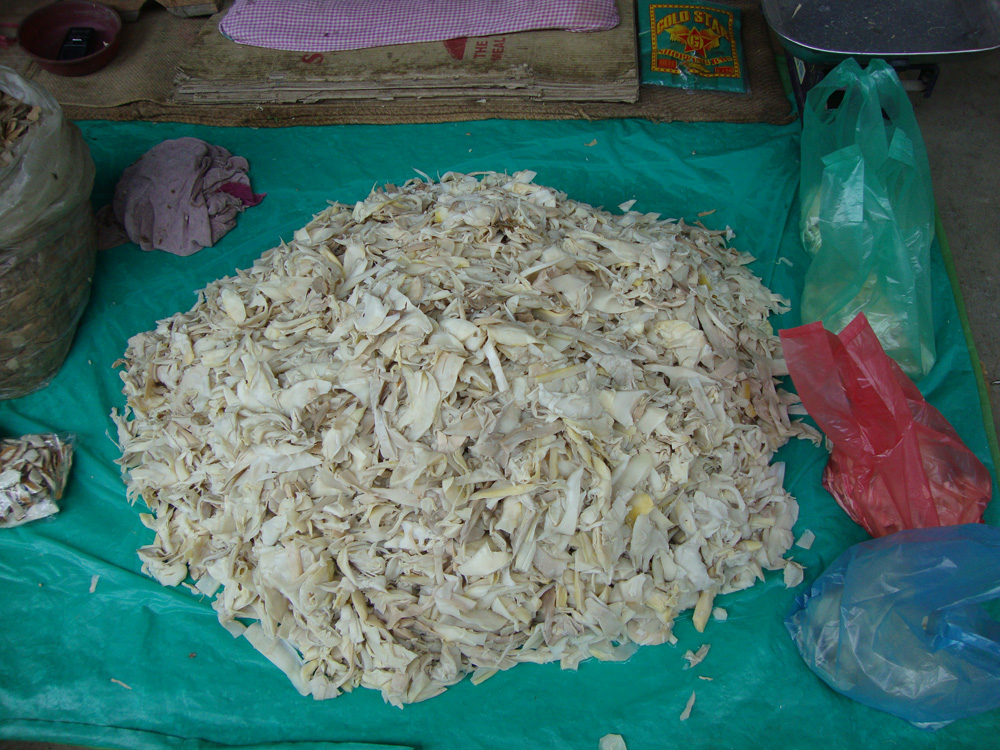
Manipur is home to a rich legacy of traditional fermentation techniques that have been preserved and practiced for centuries. These indigenous methods not only serve culinary purposes but also offer nutritional and health benefits. Fermented foods are deeply woven into the daily diets of the Manipuri people, highlighting both cultural identity and sustainability. One such product is Soibum, fermented bamboo shoots, widely consumed across households. The fermentation enhances its flavor, texture, and nutritional profile, making it a valuable source of fiber, vitamins, and minerals. Another notable yet often overlooked fermented food is Soidon, which consists of tender bamboo shoots fermented and stored in brine. Commonly enjoyed as a side dish or incorporated into curry recipes, Soidon has a pleasantly tangy taste. It is a natural source of lactic acid bacteria, which supports gut health and improves digestion. Additionally, it offers essential nutrients that contribute to a balanced diet. The inclusion of such traditional fermented products highlights Manipur’s deep-rooted culinary wisdom, its rich biodiversity, and a strong emphasis on health-conscious, sustainable food practices. Hawaijar, a fermented soybean product known for its high protein content. It is typically made by boiling, dehulling, and fermenting soybeans, resulting in a strong, savory flavor that complements many dishes. Ngari, a pungent fermented fish product, is used as a key ingredient in numerous traditional recipes. Its fermentation process helps preserve the fish and boosts its nutritional and probiotic qualities. Hentak is another unique preparation, made by fermenting mashed fish mixed with petioles of aroid plants. Known for its distinct aroma and taste, it plays a vital role in local cuisine. These traditional foods not only reflect the region’s biodiversity but also promote gut health, food preservation, and sustainable living practices.
Traditional Processing Methods
Traditional fermentation techniques in Manipur are vital for enhancing the nutritional profile, shelf life, and flavor of various indigenous foods. These age-old practices follow a structured process that relies heavily on natural ingredients and environmental conditions. The typical stages involved in these methods are as follows:
- Ingredient Preparation: The process begins with the careful selection of raw materials such as bamboo shoots, soybeans, or fish. These ingredients are thoroughly cleaned, and in many cases, soaked or lightly cooked to improve texture, reduce anti-nutritional factors, and promote easier fermentation.
- Microbial Inoculation: Instead of adding commercial starter cultures, traditional methods usually depend on naturally occurring microbes. These beneficial microorganisms may come from the raw ingredients themselves, utensils, or the surrounding environment, initiating spontaneous fermentation.
- Fermentation Stage: The prepared materials are placed in earthen pots, bamboo baskets, or other traditional containers and left to ferment over a defined period. During this phase, microbial activity breaks down complex compounds like proteins and carbohydrates, resulting in improved digestibility, enhanced flavor, and an increase in bioavailable nutrients.
- Storage and Preservation: After fermentation is complete, the food is stored in cool, dry conditions to maintain its quality. Traditional storage methods are used to extend shelf life while retaining the product’s taste, aroma, and nutritional value. These methods showcase Manipur’s long-standing expertise in eco-friendly food processing and traditional preservation techniques.
The Nutritional Profile of Fermented Foods
Essential Nutrients: Fermented foods are renowned for their rich nutritional profiles, often containing essential vitamins and minerals that contribute to overall health. For example, fermented soy products like tempeh and miso are excellent sources of protein, vitamins B6 and B12, and minerals such as iron, zinc, and magnesium. Similarly, fermented dairy products like yogurt and kefir provide calcium, potassium, and B vitamins, making them invaluable for bone health and metabolic processes. In addition, these macronutrients, fermented foods are rich in antioxidants, phenolic compounds, and organic acids, which contribute to their health benefits. These components can help mitigate oxidative stress and inflammation, reducing the risk of chronic diseases such as heart disease, diabetes, and certain cancers.
Probiotic Health: One of the most significant advantages of fermented foods is their probiotic content. Probiotics are live microorganisms that, when consumed in adequate amounts, confer health benefits to the host. They play a critical role in maintaining gut health by promoting a balanced microbiome, enhancing digestion, and supporting immune function. Foods such as yogurt, kimchi, and sauerkraut are rich sources of beneficial bacteria, including Lactobacillus and Bifidobacterium species. Research has shown that regular consumption of probiotic-rich fermented foods can alleviate symptoms of gastrointestinal disorders, improve nutrient absorption, and even enhance mental health through the gut-brain axis. However, the exact mechanisms through which probiotics exert their beneficial effects are still being investigated
Nutraceutical Applications of Fermented Foods
The growing interest in health and wellness has led to increased recognition of the nutraceutical potential of fermented foods. Nutraceuticals are food products that provide health benefits beyond basic nutrition, often containing bioactive compounds that can prevent or manage diseases. Fermented foods have been associated with a range of health benefits, including:
- Digestive Health: Probiotics in fermented foods help maintain a healthy gut microbiome, promoting digestion and nutrient absorption.
- Weight Management: Some studies suggest that regular consumption of fermented foods may aid in weight management and reduce the risk of obesity.
- Cardiovascular Health: Fermented foods have been linked to improved heart health due to their ability to lower cholesterol levels and reduce blood pressure.
- Anti-Inflammatory Effects: The bioactive compounds present in fermented foods may help mitigate inflammation, which is associated with various chronic diseases.
- Enhanced Nutrient Absorption: Fermentation can break down complex nutrients, making them more bioavailable. For example, the fermentation of grains can reduce phytate levels, which inhibits mineral absorption, thus enhancing the bioavailability of essential minerals such as iron, zinc, and calcium.
- Improved Immune Function: Regular consumption of fermented foods has been linked to enhanced immune responses. Probiotics found in these foods can help modulate immune activity, leading to increased resistance against infections and reduced inflammation. Some studies suggest that probiotics may even reduce the incidence and duration of respiratory infections.
- Blood Sugar Regulation: Certain fermented foods may help improve insulin sensitivity and regulate blood sugar levels. For instance, fermented dairy products like yogurt have been shown to have a positive impact on glycemic control, which can be beneficial for individuals with type 2 diabetes.
- Mental Health Benefits: There is growing evidence of a link between gut health and mental well-being, often referred to as the “gut-brain axis.” Probiotics found in fermented foods may positively influence mood and mental health, potentially reducing symptoms of anxiety and depression. Some studies have shown that probiotics can improve mood and cognitive function.
- Anti-Allergic Properties: Fermented foods may help reduce the risk of allergies by promoting a balanced immune response. Certain probiotics can enhance the production of regulatory T cells, which play a crucial role in modulating allergic responses.
- Skin Health: The anti-inflammatory and antioxidant properties of fermented foods can benefit skin health. Probiotics may help maintain the skin’s microbiome, preventing conditions like acne, eczema, and psoriasis. Fermented dairy products have been linked to improved skin hydration and elasticity.
- Reduced Risk of Cardiometabolic Diseases: The consumption of fermented foods has been associated with a lower risk of developing cardiovascular diseases, metabolic syndrome, and obesity. The beneficial bacteria in these foods may help lower blood cholesterol levels and regulate blood pressure.
- Detoxification: Some studies suggest that fermented foods can assist in detoxifying the body by enhancing liver function and promoting the excretion of harmful substances. The probiotics and metabolites produced during fermentation may play a role in detoxifying harmful compounds and supporting liver health.
- Support for Weight Loss: Fermented foods can promote feelings of fullness and help regulate appetite, which may support weight loss efforts. The gut microbiome influences metabolism and fat storage, and a healthy gut flora composition can play a crucial role in maintaining a healthy weight.
- Antimicrobial Properties: Certain fermented foods exhibit antimicrobial effects due to the presence of lactic acid and other organic acids produced during fermentation. These compounds can inhibit the growth of pathogenic bacteria, thereby supporting food safety and overall health.
- Cognitive Function: Emerging research suggests that the consumption of probiotics may enhance cognitive function and protect against neurodegenerative diseases like Alzheimer’s. By promoting a healthy gut microbiome, fermented foods may have a positive impact on brain health.
- Support for Oral Health: Some fermented foods, particularly those rich in probiotics, may contribute to oral health by inhibiting the growth of harmful bacteria in the mouth, reducing the risk of cavities and gum diseases.
Conclusion
The traditional fermentation practices of Manipur represent a harmonious blend of cultural heritage, nutritional wisdom, and sustainable food processing. From commonly consumed products like Soibum, Hawaijar, Ngari, Hentak, to the lesser-known yet nutritionally rich Soidon, these fermented foods not only contribute to the local diet but also offer significant health benefits. Each product is prepared through time-tested methods involving natural fermentation, which enhances the bioavailability of nutrients, improves shelf life, and introduces beneficial microorganisms essential for gut health. The step-by-step traditional processing method, ranging from the careful selection and preparation of raw materials to spontaneous fermentation and natural preservation, demonstrates the deep-rooted indigenous knowledge systems that have sustained these practices over generations. By relying on naturally occurring microbes and environmentally conscious techniques, these methods also reflect a sustainable approach to food production. Overall, Manipur’s traditional fermentation practices are more than culinary traditions; they are valuable systems of health, ecology, and cultural identity. Preserving and promoting these techniques not only helps safeguard biodiversity but also offers promising potential for nutraceutical development and global appreciation of indigenous food systems.
