Dr. Angom Ramcharan Singh
Postdoctoral Research Fellow,
Dept of Biochemistry and Molecular Biology,
Griffin Cancer Research Building, Mayo Clinic School of Medicine,
Jacksonvilel, FL, USA
Cancer is considered a class of disease which is characterized by uncontrolled cell growth and it is one of the leading causes of death worldwide. Usually, the cancer cells form lumps or masses of tissue which are termed as tumours except for leukaemia where cancer inhibits the normal blood function. According to the world health organization (WHO), approximately 70% of new cases of cancer are expected to rise by 2020.
Types of Cancer:
Broadly cancer has been categorized into 100 diverse types, and each is classified by the type of cell that is initially affected. Tumours that stay in one region and displays limited growth are generally considered as benign whereas when a tumour spreads to other parts of the body and grows, altering the other healthy tissues, it is said to have metastasized.
Cancer can be broadly classified into five broad groups.
- Carcinomas which are characterized by cells that cover the internal and external parts of the body such as lung, breast, and colon cancer.
- Sarcomas are characterized by cells that are in bone, cartilage, fat, connective tissue, muscle, and other supportive tissues.
- Lymphomas are cancers that begin in the lymph nodes and immune system tissues.
- Leukaemias are cancers that begin in the bone marrow and often accumulate in the bloodstream.
- Adenomas are cancers that arise in the thyroid, the pituitary gland, the adrenal gland, and other glandular tissues. Some examples are; Bladder cancer, Bone cancer, Breast cancer, Cervical cancer, Colon cancer, Colorectal cancer, Endometrial cancer, Kidney cancer, Leukemia, Liver cancer, Lymphoma, Ovarian cancer, Pancreatic cancer, Prostate cancer, Stomach cancer, Thyroid cancer etc.
Causes of Cancer:
Several factors cause the normal cells in the body to form cancer. Unlike regular cells, cancer cells do not experience programmatic death and instead continue to grow and divide. This leads to a mass of abnormal cells that grows out of control. Some of the common cause of this disease includes genetic factors. An alteration in the normal genetic machinery of an individual may cause mutations to DNA which leads to DNA damage and cancer occurs when a cell’s gene mutations make the cell unable to correct DNA damage and unable to commit suicide. The second factor includes carcinogens, which comprises tobacco, asbestos, arsenic, radiation such as gamma and x-rays, the sun, and compounds in car fumes. The third factor may include the genetic predisposition that is inherited from family members. It is possible to be born with certain genetic mutations which make the individual more prone to develop cancer later in life. The fourth factor includes other medical factors such as ageing. As an individual advance towards ageing, there is an increase in the risk factor for cancer. Beside this, there are several viruses which are also been linked to cancer such as human papillomavirus (which cause cervical cancer), hepatitis B and C (which causes liver cancer), and Epstein-Barr virus (a known cause of some childhood cancers). Human immunodeficiency virus (HIV) – and any factor which can weaken the disease-fighting ability of an individual can increase the chance of developing cancer.
Risk factors:
The biggest risk factor for developing cancer is age. There are many other risk factors for developing cancer such as smoking, drinking alcohol. Obesity, poor diet, lack of exercise, prolonged exposure to sunlight.
Symptoms of Cancer:
The symptoms of cancer can be quite varied and they depend on the site of occurrence, where it has spread, and how big the tumour is. Some cancers can be felt or seen through the skin – a lump on the breast or testicle can be an indicator of cancer in those locations. Skin cancer (melanoma) is often noted by a change in a wart or mole on the skin. Some oral cancers present white patches inside the mouth or white spots on the tongue. Other cancers have symptoms that are less physically apparent. Some brain tumours tend to present symptoms early in the disease as they affect important cognitive functions. Pancreas cancers are usually too small to cause symptoms until they cause pain by pushing against nearby nerves or interfere with a liver function to cause a yellowing of the skin and eyes called jaundice. Symptoms also can be created as a tumour grows and pushes against organs and blood vessels. For example, colon cancers lead to symptoms such as constipation, diarrhoea, and changes in stool size. Bladder or prostate cancers cause changes in bladder function such as more frequent urination or infrequent urination. Apart from this, there are certain other symptoms such as fever, fatigue, excessive sweating, anaemia, and unexplained weight loss. However, these symptoms are common in several other maladies as well. For example, coughing and hoarseness can point to lung or throat cancer as well as several other conditions. When cancer spreads or metastasizes, additional symptoms can present themselves in the newly affected area. Swollen or enlarged lymph nodes are common and likely to be present when cancer starts to spread. If cancer spreads to the brain, patients may experience vertigo, headaches, or seizures. Spreading to the lungs may cause coughing and shortness of breath. In addition, the liver may become enlarged and cause jaundice and bones can become painful, brittle, and break easily. Symptoms of metastasis ultimately depend on the location to which cancer has spread.
Diagnosis:
One of the best approaches towards curing cancer is to detect cancer at an early stage which can greatly increase the success rate of treatment and survival. Several procedures are used to diagnose cancer. Some of the common procedures are Imaging techniques such as X-rays, CT scans, MRI scans, PET scans, and ultrasound scans, these tools are used regularly in order to detect a tumour is a location in the body and the organs that may be affected by it. Doctors may also conduct an endoscopy, a procedure in which a thin tube is used with a camera and light at one end, to look for any abnormalities inside the body. Other effective method is the extraction of the cancer cells and looking at the microscopic examination, this is the only absolute way to diagnose cancer and this procedure is known as a biopsy. There are several types of molecular diagnostic tests which are frequently employed as well such as analysis of body’s sugars, fats, proteins, and DNA at the molecular level.
Once a diagnosis is made, a doctor can determine the stage of cancer. The treatment of the disease depends on its stage of prevalence.
Recent developments in cancer diagnosis:
Blood test could replace biopsy for cancer diagnosis: A simple blood test could be on the way to replacing the biopsy as the gold standard for detecting cancer, saving lives and money, according to researchers in the UK. In their study, carried out on known or suspected primary or secondary lung cancer who were about to undergo surgery, the blood test was accurate in predicting the presence of cancer cells in nearly 70% of cases.
Treatments for cancer:
At present, no single treatment exists for cancer, and patients often receive a combination of therapies and palliative care. Cancer treatments usually comprise one of the following approaches: surgery, radiation, chemotherapy, immunotherapy, hormone therapy, or gene therapy.
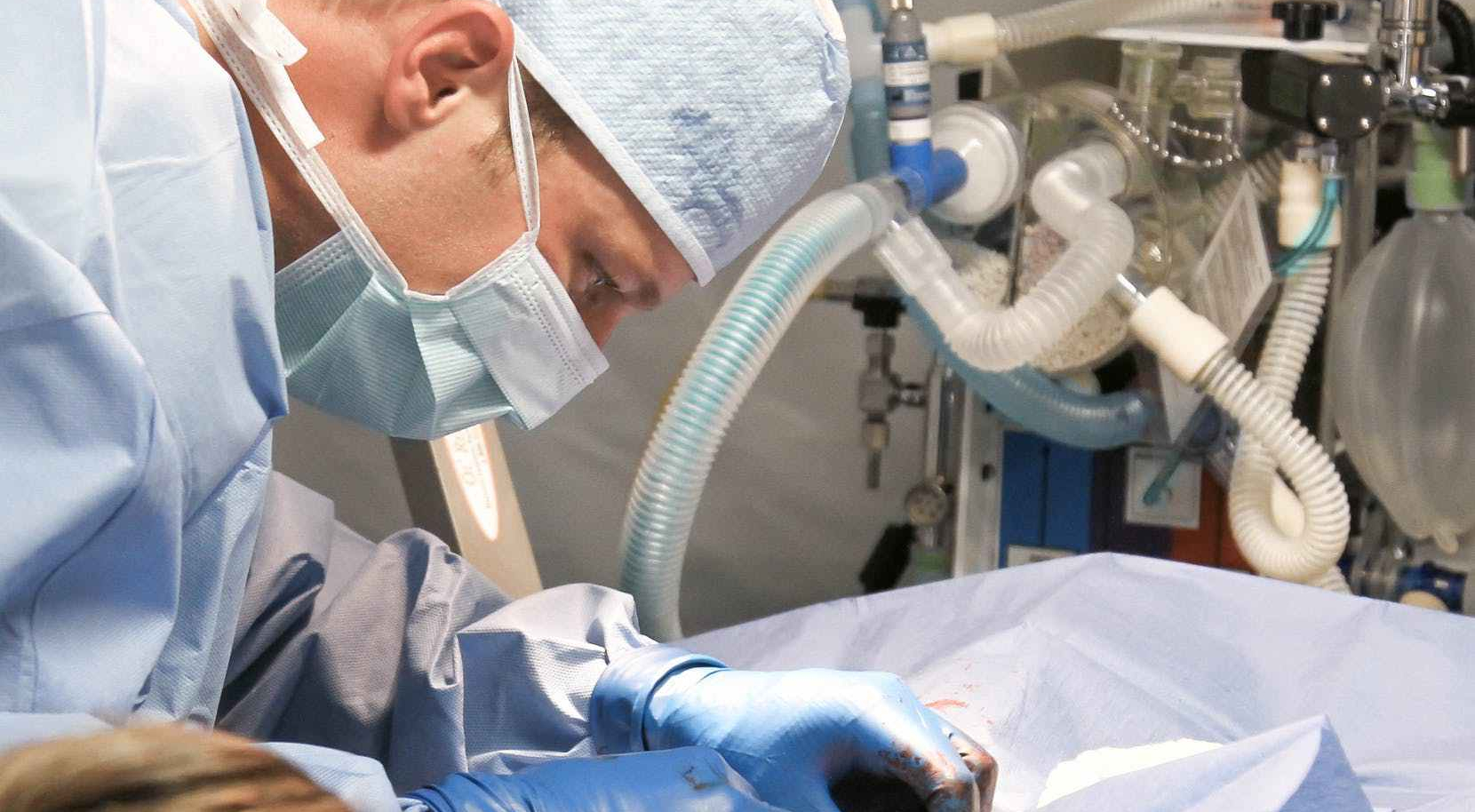
- Surgery: Surgical removal of the cancer is one of the oldest known treatment for cancer and it is possible to completely cure a patient by surgically removing cancer from the body If cancer has not metastasized.
- Radiation: Commonly known as radiotherapy, radiation treatment destroys cancer by focusing high-energy rays on the cancer cells. This causes damage to the molecules that make up the cancer cells and leads them to commit suicide. Radiotherapy Early radiation treatments were nonspecific and caused severe side-effects because the energy beams would damage normal, healthy tissue too, but improvements in technologies have made it possible to accurately target the cancer cells.
- Chemotherapy: Another well-known approach is the chemotherapy which utilizes chemicals that interfere with the cell division process – damaging proteins or DNA – so that cancer cells will commit suicide. These treatments target any rapidly dividing cells (not necessarily just cancer cells), but normal cells usually can recover from any chemical-induced damage while cancer cells cannot. Chemotherapy is generally used to treat cancer that has spread or metastasized because the medicines travel throughout the entire body. Chemotherapy treatment occurs in cycles so the body has time to heal between doses. However, there are still common side effects such as hair loss, nausea, fatigue, and vomiting. Combination therapies often include multiple types of chemotherapy or chemotherapy combined with other treatment options.
Other innovative approaches to treatment include Immunotherapy which aims for the body’s immune system to fight a tumour. Systemic immunotherapy treats the whole body by administering an agent such as the protein interferon alpha that can shrink tumours. Besides several approaches has been also adopted for treating cancer such as hormone therapy and gene therapy
Cancer prevention:
An individual can significantly reduce the risk of getting cancer by quitting smoking. Choosing not to smoke tobacco or drink alcohol significantly lower the risk of several types of cancer – most notably lung, throat, mouth, and liver cancer. Skin cancer can be prevented by staying in the shade, protecting yourself with a hat and shirt when in the sun, and using sunscreen. Diet is also an important part of cancer prevention since what we eat has been linked to the disease. Physicians recommend diets that are low in fat and rich in fresh fruits and vegetables and whole grains. Certain vaccinations have been associated with the prevention of some cancers. For example, many women receive a vaccination for the human papillomavirus because of the virus’s relationship with cervical cancer. Hepatitis B vaccines prevent the hepatitis B virus, which can cause liver cancer. Some cancer prevention is based on systematic screening to detect small irregularities or tumours as early as possible even if there are no clear symptoms present. Breast self-examination, mammograms, testicular self-examination, and Pap smears are common screening methods for various cancers.
Researchers reported 7 steps recommended for protection against heart disease can also reduce the risk of developing cancer, they include being physically active, eating a healthy diet, controlling cholesterol, managing blood pressure, reducing blood sugar and not smoking.
